
How to Prepare for Your FAA Annual Inspection

Picture : EHS Insight
What Is an FAA Annual Inspection?
The FAA Annual Inspection is a comprehensive review of your aircraft, required by 14 CFR Part 43. Every general aviation aircraft in the United States must undergo this inspection once per year.
It must be performed by an A&P mechanic (Aviation Maintenance Technician) with an IA (Inspection Authorization). The inspection can take anywhere from a few hours to a few days, depending on your aircraft’s complexity and condition.
The main goal? To verify that your aircraft is safe, compliant, and ready to fly.
Picture : Double M Aaviation
What Gets Inspected? The Checklist
During the inspection, mechanics will thoroughly examine nearly every component of your aircraft. Here’s what you can expect:
Airframe – The fuselage, wings, tail, and control surfaces are checked for cracks, corrosion, or structural wear.
Engine – Cylinders, ignition, exhaust, and fuel systems are inspected. Oil leaks, cracks, or abnormal wear raise immediate red flags.
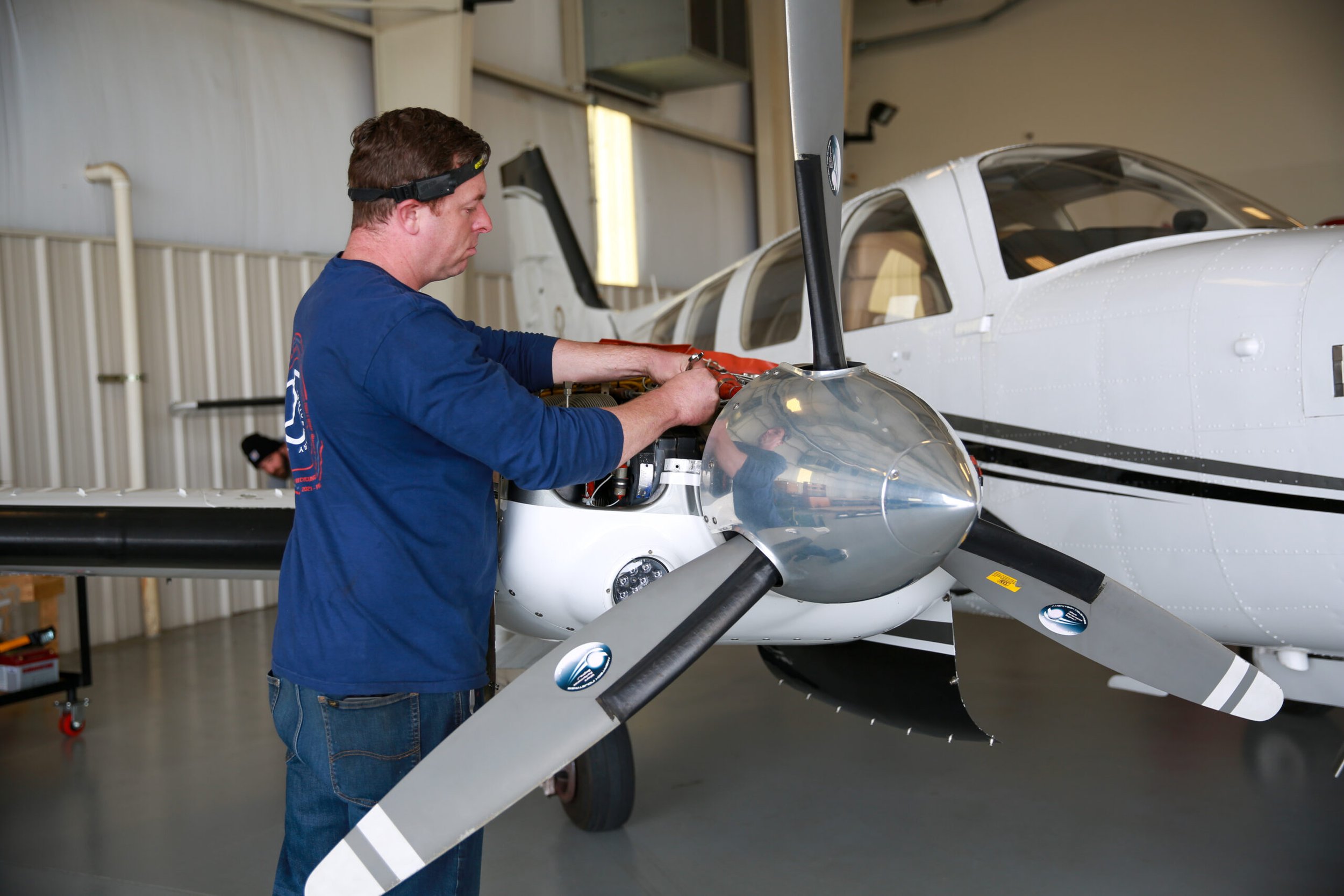
Propeller – Checked for nicks, cracks, or damage that could affect performance.
Avionics & Electrical Systems – Radios, GPS, transponders, wiring, and circuit breakers are tested.
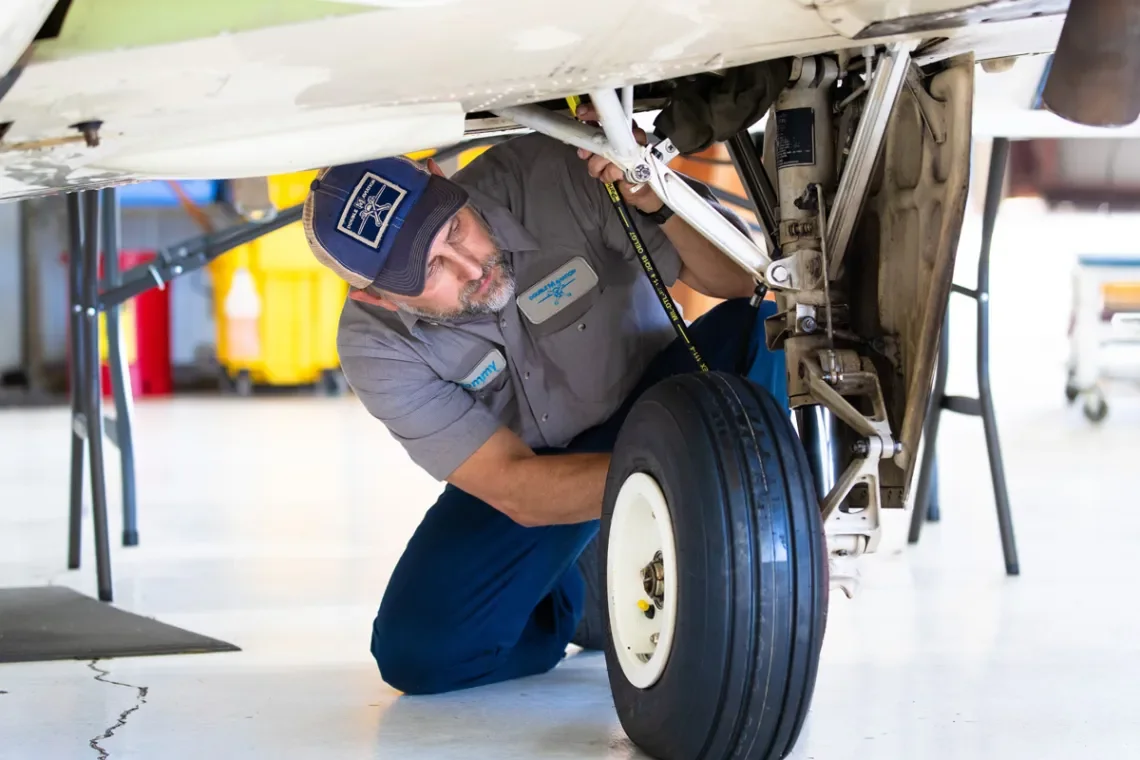
Landing Gear & Brakes – Tires, brakes, and hydraulic systems are examined for safety and reliability.
Wings & Fuel Tanks – Mechanics look for corrosion, leaks, and structural integrity issues.
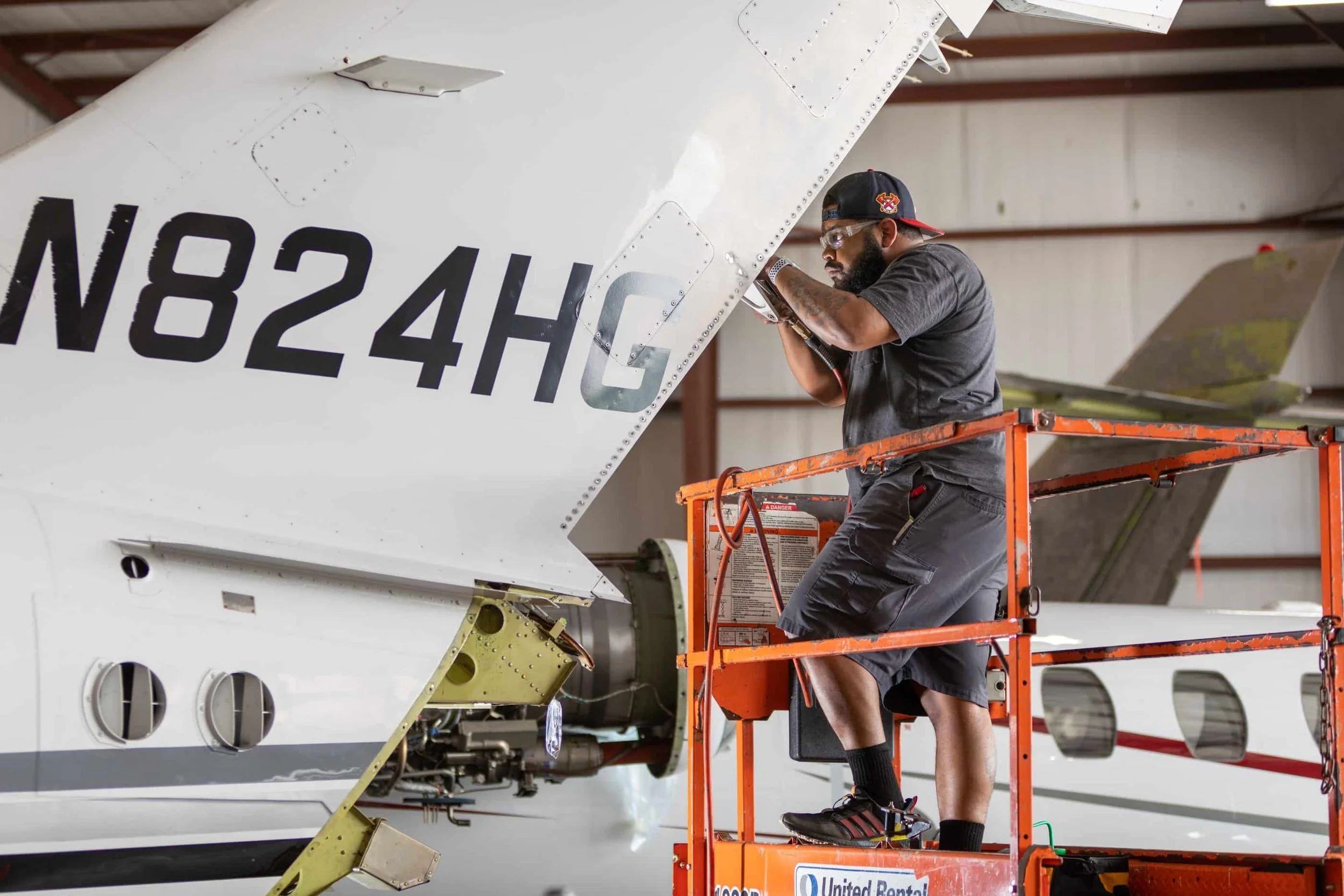
Tail & Flight Controls – Control surfaces and response mechanisms are verified for precision and durability.
The inspection is meticulous, leaving little unchecked—exactly what’s needed to ensure your safety.
Picture: The Wall Street Journal
What If Issues Are Found?
It’s normal for mechanics to find items that need attention during the inspection. This doesn’t mean your aircraft is unsafe—it simply means some maintenance is due.
You’ll receive a detailed report of any discrepancies.
Repairs can often be performed on the spot, or you may choose another facility.
Remember: the inspection is designed to keep you safe, so resolving issues promptly is always the best course of action.
Picture: Xpress Maintence
How to Prepare for Your FAA Annual Inspection
Preparation can make the entire process faster, smoother, and potentially less expensive. Based on industry experience, here are key steps to take:
Clean Your Aircraft
While not required, a clean aircraft allows the mechanic to spot issues more easily and prevents wasted time.Organize Maintenance Logs & Paperwork
Gather all records, including previous inspection reports. A complete history helps mechanics understand your aircraft’s maintenance background and reduces unnecessary guesswork.Schedule Early
Mechanics get booked quickly—especially before peak flying seasons like summer. Book your inspection well in advance to avoid delays.Be Proactive
If you’ve noticed any small issues (like unusual vibrations, oil spots, or instrument glitches), mention them. Addressing concerns early can save time and money.
💡 Pro tip: Treat the annual inspection as part of your ownership strategy, not just a regulatory requirement. Pilots who plan ahead often avoid unexpected downtime and costs.aft.
🛒 How to Buy Aircraft Parts from Login Aviation
Shopping with us is fast and simple:
Visit our homepage
Navigate to Aircraft Parts > Parts Search
Enter your part number or keyword
Review detailed part info, pricing, images, and condition
Follow the secure checkout process
Choose your payment and shipping preferences
Need help? Our expert team is just a call away we’ll walk you through your purchase and answer all your questions.
📞 Contact our team +1(954) 282-1901
🌐 www.loginsvc.com
✉️ info@loginsvc.com