
Aircraft Engine Overhaul: 5 Key Tips Every Owner Should Know
Picture by: PUREMRO
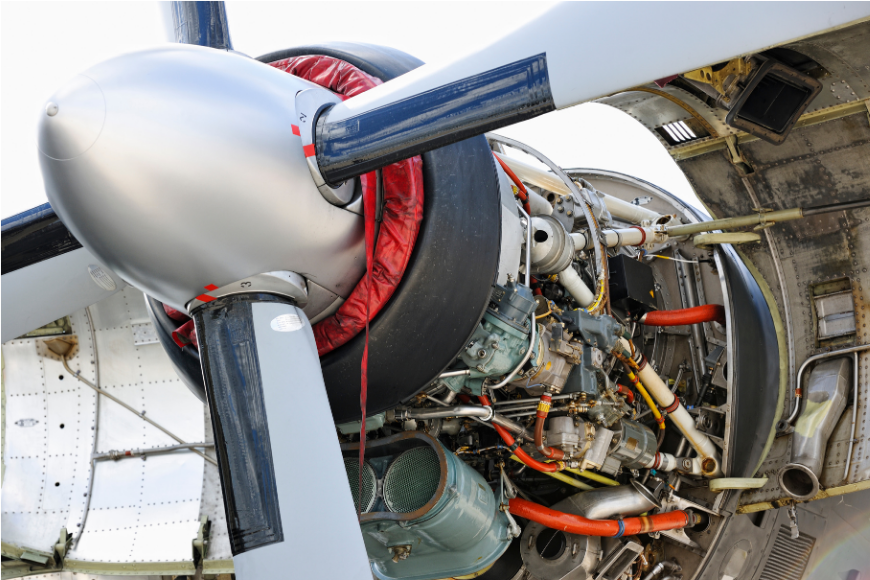
Aircraft engines are the heart of every flight. Their performance and reliability directly affect safety, efficiency, and operating costs. An overhaul is a major step, it’s not just routine maintenance but a process that ensures your engine returns to service in optimal condition.
In this article, we’ll walk you through five essential things you must know before sending your aircraft engine for an overhaul.

Picture by: Jet Business Solutions
1. Know the Costs
An aircraft engine overhaul is a serious investment. Depending on the type and model, the cost can range from several thousand dollars to tens of thousands. Always request a detailed estimate before committing, and don’t hesitate to compare quotes from multiple reputable facilities.
Being proactive with cost management helps you avoid surprises down the road.

Picture by : Pratt & Whitney
2. Understand the Manufacturer’s Specifications
Every engine model comes with its own manufacturer’s specifications. These guidelines define acceptable tolerances for inspections, repairs, and replacements.
Using OEM (Original Equipment Manufacturer) parts is critical to ensure airworthiness and compliance. Cutting corners here can jeopardize safety and certification
Picture by: Mitsubishi Heavy Industries
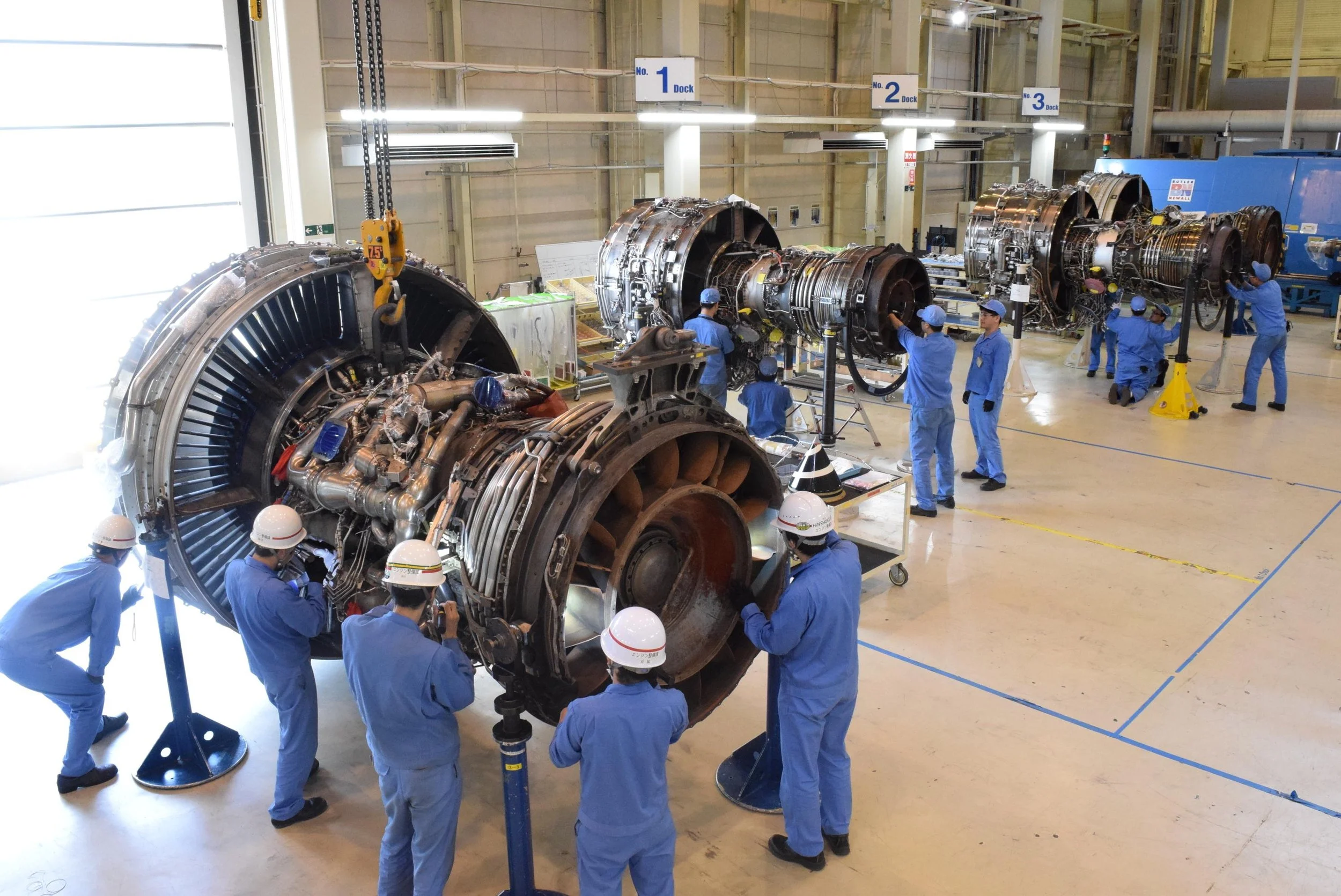
3. Know the Timeframe
Overhauling an aircraft engine isn’t a quick job. It typically takes several weeks, depending on the scope of work and the availability of parts. Make sure to request a realistic timeframe before sending in your engine so that your aircraft downtime doesn’t disrupt your operations.
Picture by : Mountz
4. Understand Regulatory Compliance
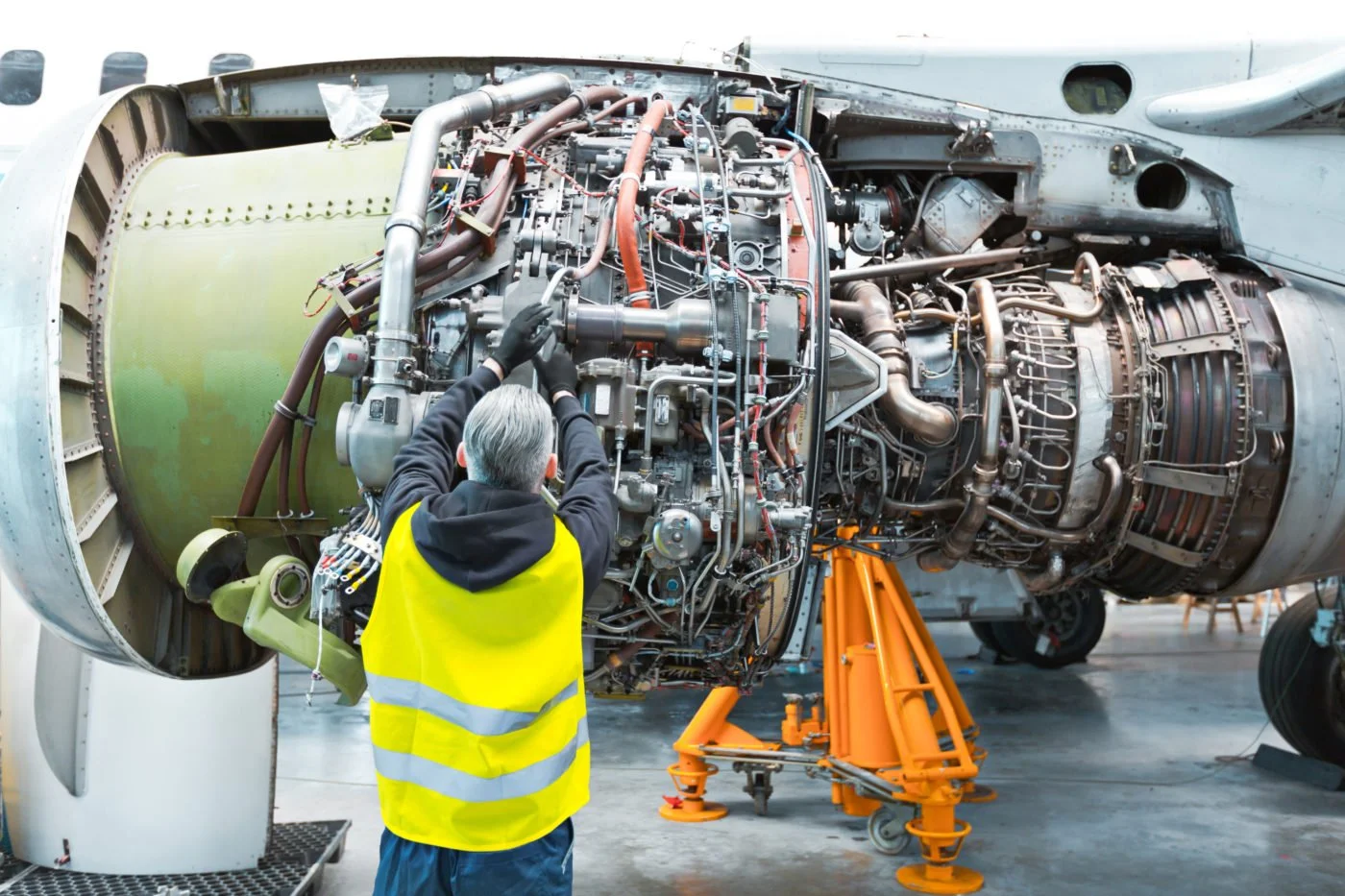
Engine overhauls must comply with strict aviation regulations. In the U.S., this means following FAA rules to the letter. The overhaul facility must issue proper certifications to confirm that the engine meets all airworthiness requirements.
Never compromise on compliance—it’s the difference between safe operations and grounding your aircraft.
Picture by: Flight Global
5. Be Prepared for the Break-in Period
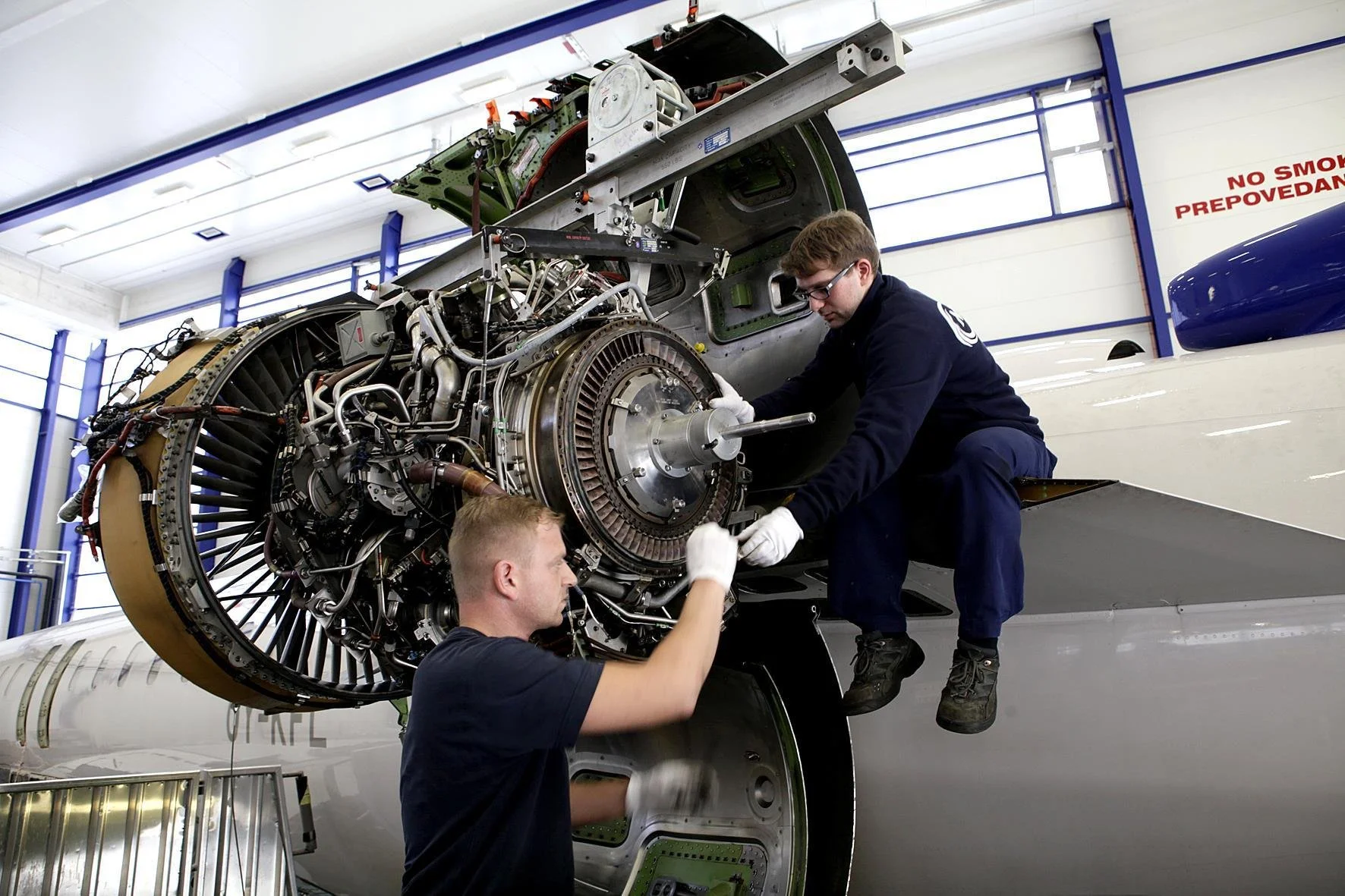
Once your overhauled engine is reinstalled, it doesn’t go straight back to normal duty. There’s a break-in period that requires specific operating conditions to ensure the engine performs at its best and avoids premature wear. Following these guidelines is key to maximizing engine life and performance
Overhauling your aircraft engine is one of the most important steps you’ll take in maintaining your aircraft’s safety, reliability, and long-term value. By understanding the costs, specifications, timeframe, regulations, and break-in process, you’ll be fully prepared for this critical milestone.
And remember: at Login Aviation, we specialize in supporting your aircraft needs. Visit our website or email us at info@loginsvc.com to source high-quality aircraft parts.